March 9, 2026
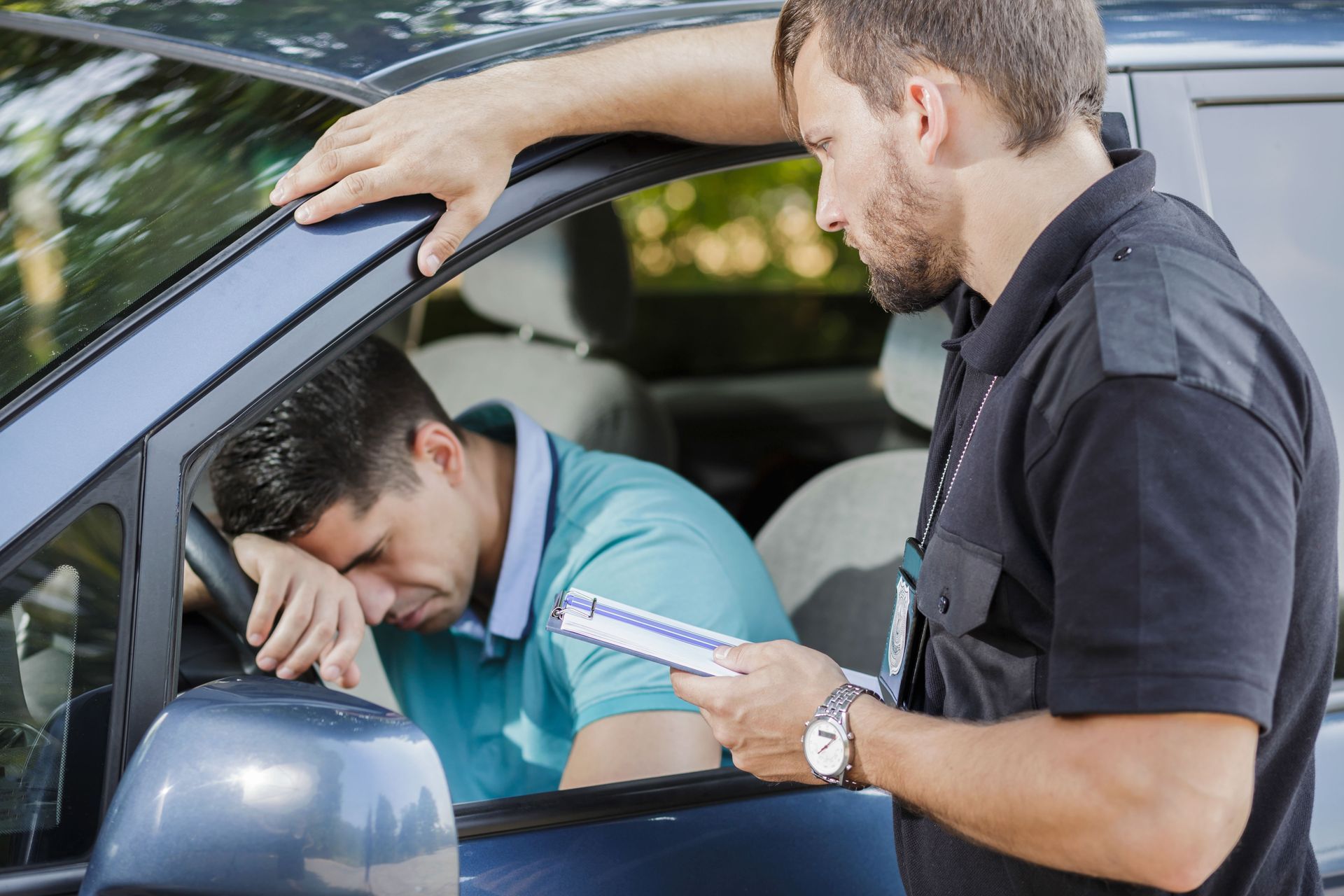
Car accidents can be sudden, stressful, and confusing, leaving those involved unsure of the steps they need to take to protect their rights. One of the most critical documents in the aftermath of a collision is the police report. This official record provides an objective account of the incident, capturing essential facts about the time, location, parties involved, damages, and initial assessments of fault. Insurance companies and courts rely heavily on police reports when evaluating claims, making them central to the resolution of any car accident.
A thorough police report can help establish credibility, support legal arguments, and influence settlement negotiations. However, mistakes or omissions in the report can create complications that affect your compensation. Working with an experienced car accident lawyer ensures that you understand the report’s impact, identify potential errors, and use it strategically to strengthen your claim. In this article, we explore the legal importance, key components, insurance implications, legal uses, common challenges, and practical strategies for leveraging police reports effectively.
Establish the Legal Importance of Police Reports
Police reports are often legally required when a car accident results in significant injury, property damage, or death. The rules and thresholds for reporting vary by state and municipality, but failing to file a report when legally required can result in fines, license suspension, or other penalties. Filing a report ensures that there is an official, neutral record of the incident, which is essential for insurance claims and legal proceedings.
Insurance companies rely on police reports as a third-party account of the accident. Unlike statements from drivers or passengers, which may be influenced by emotions or stress, a police report represents a professional officer’s observations and initial conclusions. For a car accident lawyer, this document is invaluable. It establishes a foundation of facts that can support claims, clarify disputes, and serve as evidence of liability.
Beyond legal compliance, a police report strengthens credibility. In cases where fault is contested, the report offers a professional perspective that may validate one party’s account. While officers’ conclusions are not final determinations of liability, they carry significant weight in both insurance and legal contexts. Recognizing the report’s importance while understanding its limitations is essential to protecting your rights.
Examine the Key Components That Shape a Claim
A police report contains multiple components that directly influence the evaluation of a claim. The scene description includes details about the accident location, road conditions, traffic signals, visibility, weather, and lighting. Such information helps reconstruct how the accident occurred and provides context for assessing fault and damages. Statements from drivers, passengers, and witnesses are captured immediately after the incident. Firsthand accounts can provide insight into the events leading up to the collision. Witness testimonies, in particular, offer independent perspectives that may corroborate or challenge other statements. Consistency between statements and evidence can significantly influence the claim’s outcome.
Visual documentation, including diagrams and photographs, is another critical element. Diagrams often illustrate vehicle positions, directions of travel, and points of impact. Photos capture physical damage, skid marks, road conditions, and surrounding hazards. These visuals provide concrete evidence to insurers and courts, allowing them to verify claims and challenge any discrepancies. The officer’s conclusions are also important. They summarize observations, initial assessments of fault, and contributing factors. While not definitive, these professional insights often guide early insurance evaluations. A car accident lawyer carefully reviews all components of the report to highlight details that strengthen the case and address potential inaccuracies.
Analyze How Police Reports Influence Insurance Decisions
Insurance companies depend heavily on police reports when processing claims. The report helps establish a clear sequence of events, validates statements, and supports the assignment of liability. Insurers use this information to determine responsibility and calculate appropriate compensation.
Police reports also act as a safeguard against fraudulent claims. By providing an objective account, the report allows adjusters to cross-reference individual claims with documented facts, reducing the likelihood of inflated or false claims. Clear and detailed reports can accelerate settlements and ensure fair compensation for all parties. According to Clio.com, about 95% of personal injury lawsuits are resolved through pre-trial settlements, demonstrating how thorough documentation can expedite resolutions. A skilled car accident lawyer knows how to leverage the report effectively with insurers. By highlighting favorable facts and clarifying any discrepancies, the attorney can help ensure that the settlement reflects the accident’s realities and the client’s losses.
Evaluate the Role of Police Reports in Legal Proceedings
When disputes escalate to court, police reports often become critical evidence. Judges and juries rely on these reports to understand what happened, assess credibility, and determine liability. Attorneys may challenge aspects of the report, such as omissions or potential biases, and may introduce expert testimony to clarify technical details. The thoroughness and accuracy of the report can directly influence the court’s perception of the parties involved. In some cases, a well-documented police report can shorten litigation by making the facts clearer and reducing the need for prolonged testimony.
Police reports also facilitate out-of-court settlements. Their objective nature allows both sides to evaluate the strengths and weaknesses of their positions, promoting productive negotiations. Even in trial scenarios, the report can influence jury perception, as jurors often view professionally prepared documentation as reliable and unbiased. A car accident lawyer ensures that the report is presented effectively, emphasizing key details while mitigating any potential weaknesses.
Address Common Challenges and Report Disputes
Despite their importance, police reports are not perfect. Officers may misinterpret statements, overlook evidence, or record conflicting information. Errors or omissions can complicate claims and legal proceedings if not addressed promptly. Even minor inaccuracies can affect how insurance companies assign fault or calculate compensation. Additionally, inconsistencies in the report may be used by opposing parties to challenge your version of events, making careful review essential.
Correcting inaccuracies may involve submitting supplemental statements, requesting amendments from the police department, or providing additional evidence to support your account. Disputing an officer’s conclusions requires clear documentation and, in some cases, expert testimony. Subjectivity and unintentional bias can affect the report’s content, which is why having a car accident lawyer review and challenge the report when necessary is crucial. Addressing errors early ensures that your claim is based on accurate information and strengthens your position in settlement or litigation.
Apply Strategic Methods to Strengthen Your Claim
To maximize the value of a police report, it is essential to obtain and review it promptly. Early review allows individuals and their car accident lawyer to identify evidence that supports the claim, address inconsistencies, and prepare for potential challenges. Clear communication with insurance adjusters helps emphasize favorable details while resolving discrepancies before they become issues.
Highlighting key facts that strengthen your case, maintaining precise documentation, and preparing for legal challenges are all critical strategies. Timely use of the report ensures that all evidence is available for negotiations, court filings, or settlement discussions. By working strategically, a car accident lawyer can leverage the police report to improve compensation outcomes and protect the client’s rights effectively.
Police reports play a central role in car accident claims, shaping both insurance decisions and legal strategies. Understanding their components, significance, and potential pitfalls allows accident victims to advocate for themselves effectively. With the guidance of an experienced car accident lawyer, police reports can be used strategically to clarify liability, support claims, and facilitate fair settlements. If you are navigating a car accident claim and want expert assistance to protect your rights and maximize your compensation, contact The Law Offices of Michael F. Mahoney today.